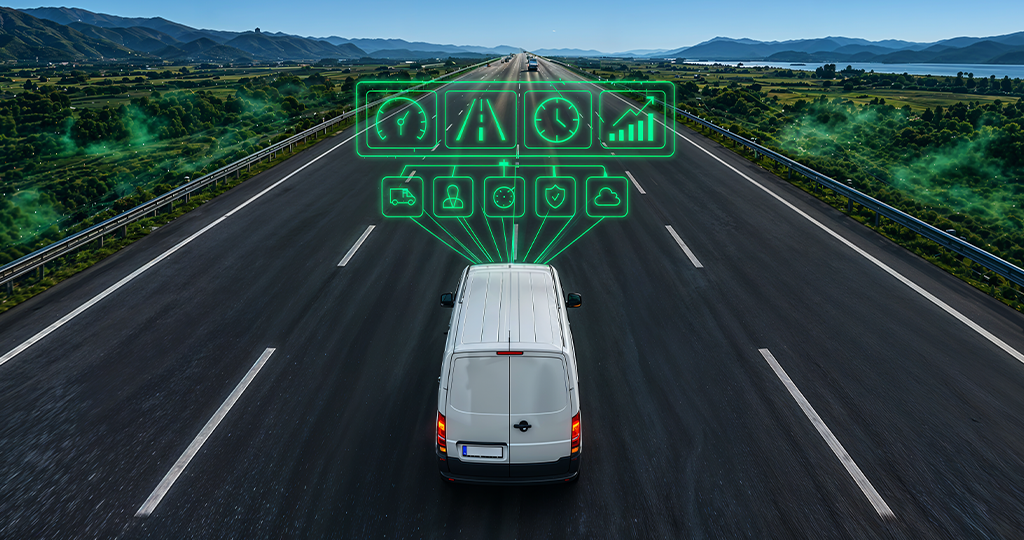
One of the most challenging aspects of fleet management is the ability to clearly monitor driver movements in the field and their adherence to legal working hour limits. Manual control methods become insufficient, especially during busy operations. This is where digital tachograph systems come into play, making the process measurable.
Single-Point Management of Driving Data
Digital tachograph, This system collects all critical data obtained from the vehicle into a single system. Driving time, break intervals, and speed information are regularly recorded. This data provides a strong foundation for understanding the overall status of the operation.
The system clearly shows how long the driver was active during the day, when they rested, and whether set limits were exceeded. This visibility prevents unplanned operations.
Time Management and Planning Discipline
Drivers' working hours are governed by specific rules. These rules are defined within the framework of AETR (European Agreement concerning the Work of Crews of Vehicles engaged in International Road Transport) for international transport. Daily driving times, mandatory rest breaks, and weekly rest periods are determined within this framework.
Planning without considering these limits will cause the operation to falter. Digital tachograph systems create a more controlled structure in planning processes because they display driving times in real-time.
Early Detection of Violations
One of the biggest risks on the field is the late detection of violations. Especially situations like digital tachograph speed violations and exceeding driving times can lead to serious consequences if not monitored in real-time.
Digital systems make these violations visible as soon as they occur. This shortens the intervention time. The driver can be given quick feedback. The risk is brought under control before it grows.
Operations Compliant with Legal Processes
Principles of Tachograph Use and Application in Turkey Highway Traffic Regulations This is determined by the scope. In this framework, driving records must be kept complete and available when needed.
Digital tachograph systems simplify this process. Data is stored systematically and can be quickly accessed when needed. This gives companies a significant advantage during inspection processes.
Data-Driven Decision-Making Process
The collected data is not only used for legal compliance. It also forms a powerful resource for improving operations. Details such as which driver committed more violations and which routes pose more risks can be clearly analyzed.
These analyses enable concrete steps to be taken to improve fleet performance. Processes that proceed without a plan give way to a more controlled structure.
Calibration Tracking and System Continuity
Tachograph systems require regular inspection to produce accurate data. Digital tachograph calibration forms the basis of this process. Devices whose calibration period has expired produce erroneous data, which affects all analyses.
These requirements Tachograph Equipment Inspection and Sealing Regulation It is determined by law. It is a legal requirement to inspect the device at specific intervals.
Reduction of Operational Burden
Digital tachograph systems eliminate the need for manual tracking. Data is automatically collected and transferred in an organized manner. This setup reduces the operational burden on teams and lowers the risk of errors. Remote access to driver and vehicle data, and its centralization, allows for more controlled progress of processes.
Digital tachograph systems, This facilitates control in fleet management. Regular monitoring of driving data, rapid detection of violations, and compliance with legal processes become more manageable with these systems. This approach contributes to operations proceeding in a more organized and safer manner.